
Your CV, also known as a Curriculum Vitae or Resume, is a document that concisely outlines your personal information, education and work history. It’s your first impression and will determine if a school wants to speak with you further. Knowing what a potential international employer wants to see is difficult for most job seekers.
This is where Edvectus can help.
Our many years of experience across schools in over 40 countries has taught us what international schools want to see on a CV, and what they don’t want to see. So read on for general CV tips, and also some specific tips for teachers who have special CV challenges.
Let’s start by understanding what most International Schools really want to see on a CV… what is ‘perfection’ in their eyes even if we know most people are not perfect.
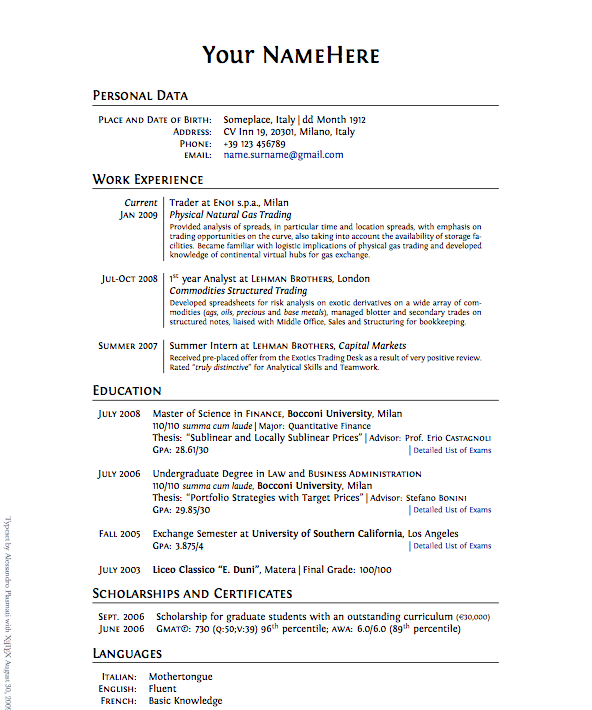
Click on the CV photo below to download our CV builder
General Tips
International schools need someone who has the education and experience to enable them to sponsor a visa, who is suited to the housing they provide, and who can live comfortably on the salary provided.
They want a teacher who has researched their country and culture and feels it’s suited to them, who has resilience, who shares their school ethos, who will get academic results, who will relate well to their students and fee paying parents, and who will be able to settle quickly and successfully within their new host country.
They ideally want someone who is trained to teach the curriculum, subject and level that they are hiring for and who has recent experience doing it as this lowers the risk for them though this matters more to some schools than others.
And if those hurdles are passed, they will prefer a teacher who, if successful, will renew their contract and is promotable within the school because no school likes to lose a valued member of staff. Which is why they don’t like teachers with a built in expiry date.
Do not stress about getting your CV on one page. A 1-3 year experienced teacher would be expected to have a CV of 2 pages. A 4-10 year experienced teacher up to 3 pages. But don’t ever go above 5 pages, please. Nobody will read that far and they will simply move on to the next candidate if you can’t present what is relevant within that frame.
There you have it. That’s what all schools really want – even if they don’t tell you. (They tell us).
Now that you know what they really want, let’s take a look at how your CV should be constructed to show them what you have in the best possible light.
What Are The Most Important Things To Have On A CV For an International Teaching Job?
Name and contact details – the easy and necessary stuff
List your full name as it appears on official documents such as your passport, big and bold on the top (but not in the header section of a word document), and if you are known by a nickname then list that in addition.
Put in your address including country, your personal (not school) email address, and a telephone number (ideally home number and mobile/cell numbers) right underneath so they know how to reach you quickly and easily..
HINT: Double check the email address and telephone number and make sure it is correct. You would be surprised at how many jobs have been lost because the email was outdated or phone digits transposed, and the teacher could not be contacted. Schools won’t bother to play detective when there are dozens of applications.
Schools will also want to know your date of birth, because age can affect your ability to get certain types of visas, as well as your marital status and number/ages of dependents who will come with you because this affects the housing they can offer you. It’s not helpful to ignore or bury it because if they can’t legally sponsor your visa or house you, they can’t sponsor your visa or house you… no matter how much they want to.
List your country of citizenship/nationality. If you have more than one, list them all. Again, this can affect the visa situation. If you have a transferrable right to work in the country to which you are applying, say it. It can make a difference.
You do not need to list your ethnicity, religion, parent’s names, or national identification number.
Profile paragraph
Whilst not always required, we have found that a nicely written, concise (3-4 sentences) profile paragraph can help to draw attention to your strong points and set the stage for the rest of your CV that follows. It’s hard to sum yourself up in a mere 4 sentence paragraph, but it can make a big difference to results. Here are some profile paragraph hints:
- Keep it professional. Remember that the CV portrays you as a professional teacher so keep focussed on that aspect of yourself. The school will have more time to get to find out about your personality at the interview and international schools, being schools of choice, tend to have quite a professional, academic outlook anyway.
- Don’t try to use humour as it doesn’t translate well across cultures and languages. This is true for CVs and cover letters.
- Use first person. It comes across as more genuine.
- Draw attention to the main facts about yourself such as: are you a qualified/certified teacher and in what subjects? How many years of teaching experience do you have? What subjects and levels have you taught and what extra-curricular activities have you supported? What have been your teaching achievements and of what are you most proud, professionally? Have you taught children for whom English is not the first language? Have you enjoyed any particular aspect of teaching? Have you previously worked or lived abroad? If you are newly qualified, have you worked with children in another capacity before or during your training? These are all things that will help your application be considered.
Yes, all of this information will be repeated in more detail in the other parts of your CV but putting it front and centre helps the school to develop the first, stronger mental picture of your capabilities and training that will be fleshed out later.
HINT: The profile paragraph should be no more than ¼ of the page, and ideally 3-4 sentences.
Education
Next is your educational history. The rule with CVs is to put the most relevant information on top- so for most people this means to put your teacher training and university education on top, with everything else underneath. There’s no need to detail every single qualification you have ever received if it’s not relevant to the job you are going for, and we don’t recommend you list your primary or secondary (elementary/high school) education here. It takes up too much room and is not relevant.
What schools want to know is “Do you have a degree, what is it and where is it from” and “Do you have teacher training that is relevant to what I need?” Answer these questions and move on; so list your degree and teacher training/certification, where you got it from, what are the details of subject/age ranges. If your teacher certification/qualification has an expiry date, list it.
HINT: Any other less relevant or less important training can be put in the back of your CV under ‘Other training and education’.
Work History
As with educational history, but the most recent first and work backwards in time. This is because it is most likely the most relevant and freshest experience you have. Make sure to list both the month and the year you started and finished each job, but if you have moved positions within a school, list it as a single entry – otherwise it looks like you were job hopping (which is not good) when in fact you were promoted in post (which is good).
- List the “from and to” dates for each job in sequential order. Explain any gaps in your work history that don’t correspond to term breaks.
- List the school name and position(s) you held in each school. List the curriculum taught.
- List positions of responsibility, achievements and/or after school activities you ran.
- Size matters in a CV – use the most space /words on your most recent, relevant job and pare down the older, less relevant stuff. If you moved out of teaching, you will need to list it but don’t spend lots of valuable CV real estate going into detail if it’s not directly applicable to your next teaching job.
- If you have been day to day supply/substitute teaching list that as one job, but if you have worked for more than 3 months at a single school be sure to draw that out.
- List the main subjects and age ranges/levels taught. Don’t list more than 3 subjects per job – it gets confusing and counterproductive if you try to claim too many strings to you bow. Schools have a hard time understanding your specialism if you are too broadly experienced and ideally your subject/level will match your degree and teacher training.
- Underneath each job make sure you clarify what curricula, subjects and levels you taught, what were your accomplishments in each job, and what approach did you use that might be relevant. Did you teach to exam level (eg GCSE, A level, AP, IB, Leaving Certificate)? Did you have English language learners and if so what percent? Did you win any accolades? What were your academic results/improvements during the year? Do not make it look like/take info from a job description which is dry, impersonal and non-contextual. Schools want to know what results you acheived and relevant experience. No more than 3-5 sentences or bullet points per job.
Other
At the back of your CV you can list other less relevant items such as less relevant education or work experience, interests, hobbies, papers or presentations you have given, etc.
General Tips
- Don’t use acronyms without spelling them out the first instance. Your audience is international and you cannot expect them to know what you mean.
- International schools like it when you have taken responsibility or been promoted within a school, have attained good academic results with your class, if you have taught children for whom English is not the first language, if you show resilience and commitment (usually illustrated by staying within a school for an extended period of time) and if you have previous experience living/working or travelling abroad. All of these things will be relevant to your new job so if you have them, draw attention to them.
- Explain any gaps in your work history after you qualified as a teacher. If teaching is your second career, explain your pre-qualification work history but you don’t need to go into as much detail as your post-qualification experience.
- If you are a newly qualified teacher (NQT) with less experience, you should list your teaching practices and may want to list recent previous non-teaching work experience. This is especially true if you have worked with children in a different capacity or lived and worked abroad before.